For new members and parents
1. Buying all the kit at once
It is tempting to walk into an outdoor shop with a list and walk out with a bill. Please wait. Most groups own tents, stoves and cooking gear, and many keep a second-hand uniform cupboard. For the first term, a child usually needs only the uniform top or a group scarf (called a necker), comfortable shoes and a waterproof jacket. Ask the leader before buying anything bigger, such as a sleeping bag or boots.
2. Cotton on camp
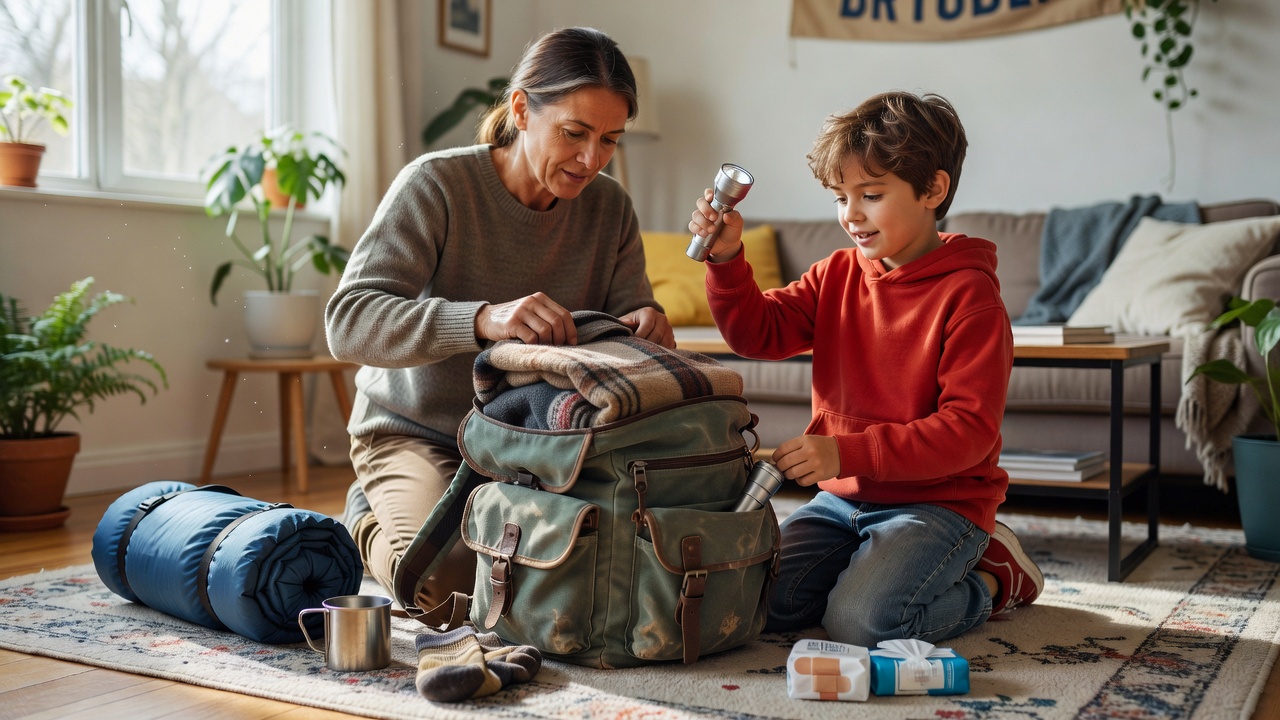
The single most common reason a young person feels miserable at camp is being cold and damp. Cotton jeans and hoodies soak up rain and stay wet. Pack layers made of wool or synthetic fabrics, a warm hat even in summer, and spare socks in a plastic bag. Old outdoor hands put it simply: "cotton kills comfort".
3. Comparing badge counts
Badges are a map of what someone has tried, not a scoreboard. A child with three badges who led their patrol through a wet weekend has gained more than one who collected twenty by ticking boxes. Celebrate effort and new experiences rather than the number of patches on a sleeve.
Signpost: homesickness is normal
First nights away often bring a wobble. Leaders are very used to it. Rather than promising to collect your child if they feel sad, which can make the feeling harder to push through, talk beforehand about what they can do: tell a leader, keep busy, write a postcard home.
4. Missing the health and consent forms
Groups must hold up-to-date medical, dietary and emergency contact details. If allergies or medication change, tell the leader straight away. A missing form can mean a young person cannot go on a trip, which is disappointing for everyone.
For new volunteers
5. Saying yes to everything
Enthusiasm is wonderful, and groups will be thrilled to see you. But the most common reason new volunteers leave is burnout in the first year. Agree a clear, small role at the start, perhaps one evening a fortnight, and grow from there. It is far more useful to help steadily for five years than intensively for five months.
6. Skipping the safety training
Every national organisation has required training on safeguarding (keeping young people safe from harm) and safety. In the UK, volunteers also complete a criminal records check through the Disclosure and Barring Service, known as a DBS check. The Scout Association summarises its safeguarding rules in a short code called the Yellow Card. Do these early; they protect young people, and they protect you too.
7. Doing the young people's jobs for them
Adults naturally want to step in when a tent is going up crooked. Hold back where it is safe to do so. The patrol system only works if young leaders get real responsibility. A useful rule from experienced leaders: ask a question instead of giving an answer.
8. Forgetting the outdoors itself
Leaving litter, cutting live branches or lighting fires where they are not permitted can damage both the land and a group's welcome. Learn the Leave No Trace principles and the countryside rules for wherever you are; in England and Wales, that means the Countryside Code, and in Scotland the Scottish Outdoor Access Code.
What you know now
Buy slowly, dress for the weather, value effort over badge counts, keep forms current, start small as a volunteer, finish your training and let young people lead. You have now walked all four routes. The Questions page gathers the loose ends.